What To Expect After Dental Veneers
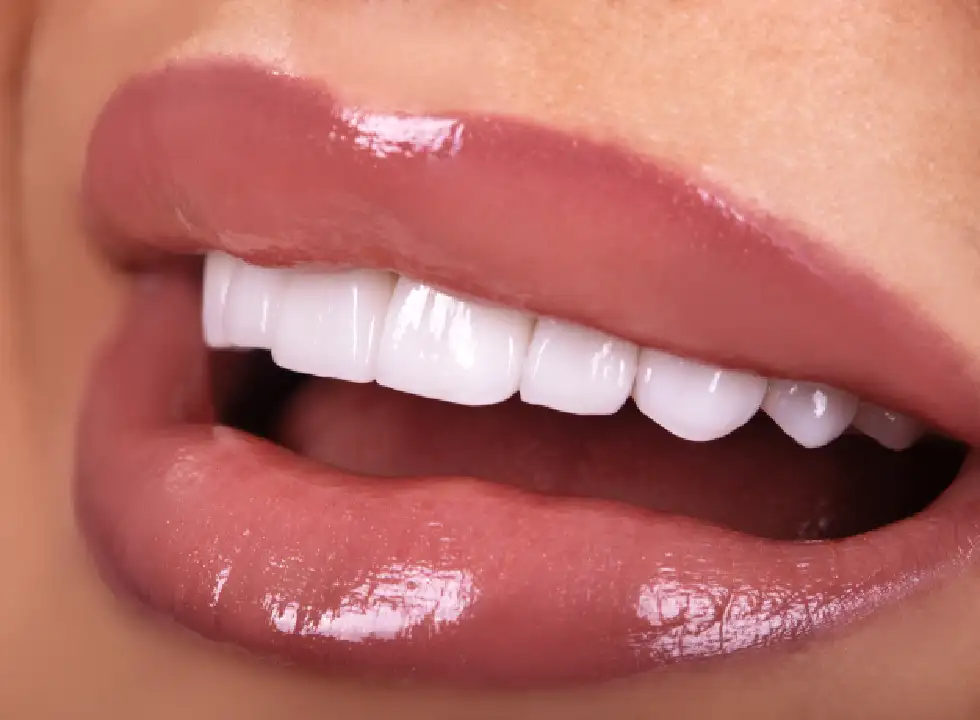
Many wonder about the days following the procedure of getting dental veneers, anticipating changes in sensation and daily routines. The initial hours set the tone for the entire recovery, making preparation essential for a smooth experience.
This guide explains the typical healing timeline and offers practical advice for the days ahead. Learning what to expect removes uncertainty and allows for a confident and comfortable recovery after receiving dental veneers.
The first few hours:
Immediately after the appointment, a mild sensitivity to temperature or pressure is common as the mouth adjusts to the new surfaces. The gums might feel tender, and the teeth could perceive hot or cold drinks differently than before. This reaction is a normal response to the preparation and placement work performed earlier in the day.
Over-the-counter pain relievers usually manage this temporary discomfort effectively, allowing for rest and relaxation. During this initial window, sticking to soft, room-temperature foods prevents any unnecessary irritation to the sensitive areas.
Managing sensitivity:
Sensitivity peaks within the first two days and then gradually fades as the teeth and gums settle into their new state. Using a toothpaste designed for sensitive teeth can provide significant relief during this phase.
Rinsing with warm salt water gently soothes gum tissues and supports the natural healing process. Avoiding extremely hot or icy beverages minimises sharp pangs that might otherwise disrupt daily comfort. This minor reaction is a small price for the remarkable transformation occurring in the mouth.
Eating and drinking guidelines:
A temporary diet of soft foods like yogurt, mashed vegetables, and smooth soups protects the new veneers during the initial bonding phase. Chewing tough meats, hard candies, or crunchy snacks places undue stress on the fresh bond between the tooth and the veneer.
Patients should also avoid staining foods and drinks such as coffee, tea, and red wine for the first several days. After the initial healing period, normal eating habits resume, though a degree of caution remains advisable. Continued care ensures the longevity and pristine appearance of the new smile.
Oral hygiene adjustments:
Brushing and flossing remain important, yet a gentle touch and a soft-bristled brush become essential tools during recovery. Flossing carefully around the gum line prevents dislodging the temporary cement or irritating the healing gums.
An antibacterial mouthwash helps reduce plaque without the harsh effects of vigorous scrubbing. Maintaining excellent cleanliness protects the underlying tooth structure and the integrity of the new restorations. Adopting these habits early creates a routine that preserves the investment in the smile.